The effects of THCV: its potential benefits are still unclear
 Camille Vallois
Follow us on 
THCV is a rare phytocannabinoid with interesting properties, combining the relaxation of THC with the well-being of CBD. Available in minute quantities in certain cannabis varieties, it can be synthesized in the laboratory. It is of great interest to consumers and scientists alike. So what are the potential benefits of THCV?
THCV has psychoactive effects
THCV or Tetrahydrocannabivarin is a phytocannabinoid closely related to THC. It therefore possesses similar properties, including psychoactive effects comparable to Tetrahydrocannabinol (THC). Like THC, THCV interacts intimately with the CB1 receptors responsible for the production of anandamide, an endocannabinoid molecule known as the “happy molecule”.
In contact with Tetra cannabinoids such as THCV and THC, it influences physiological processes such as hunger, pain regulation, pleasure and reward. These two levers act on the psyche: the sensation of pleasure and the reward circuit, which releases dopamine.
However, it is also these molecules that generate and amplify brain activity (rumination) and the dependency associated with addiction. This is because the brain will tend to crave these substances, perpetuating the psychoactive process. This reaction can sometimes have the opposite effect to relaxation, namely anxiety and paranoia.
Both THC and THCV work in the same way. But according to research and consumer feedback, THCV is more intense. Its properties would therefore have a significant psychotropic impact.
The benefits of THCV according to the latest studies
Unlike THC, THCV seems to act as an appetite suppressant, opening up new possibilities in the fight against obesity. For the moment, solutions to obesity are either surgical, by reducing the size of the stomach, or dietary, by re-balancing the diet. THCV could be a solution to reduce appetite and promote weight loss in people suffering from obesity.
THCV is also being studied to improve insulin sensitivity in diabetics. According to a National Liberty of Medicine study reported by Fundacion Canna, THCV reduces blood sugar levels. This discovery has prompted scientists to carry out more in-depth studies.
According to the National Library of Medicine, THCV acts as a protector of dopaminergic neurons, which are destroyed in Parkinson's disease. Animal data indicate that inhibition of CB1 receptors by THCV appears to improve motor function. THCV could therefore have a beneficial effect on the motor system, preventing muscles from atrophying.
In low doses, it can calm chronic stress and reduce anxiety. Beware, however, of the quantity consumed, as THCV can have the opposite effect, amplifying anxiety.
Using THCV for appetite management?
THCV is said to help manage appetite and regulate feelings of hunger. It may be able to suppress the appetite in order to rebalance the physiological process and reduce the omnipresent cravings of overweight people. It's important to bear in mind that eating is not always the main cause of overweight, only that some people suffer from compulsive eating. In such situations, THCV could be an interesting aid.
Unlike THC, which encourages compulsive eating. THCV has the opposite effect. It may also enable the body to assimilate calories in a different way. It is recognized as an effective cannabinoid for weight loss. A study in the Journal of Cannabis Research entitled “Δ9-tetrahydrocannabivarin (THCV): commentary on potential therapeutic benefit for obesity and diabetes control” describes the benefits of THCV:
- reduced appetite,
- a feeling of fullness,
- regulation of energy metabolism.
According to the study, THCV could control glycemia, which until now has been regulated by an adapted diet and drug treatment. It could therefore be an interesting element in the regulation of type 2 diabetes, which is associated with obesity.
Comparing the effects of THCV with those of other cannabinoids
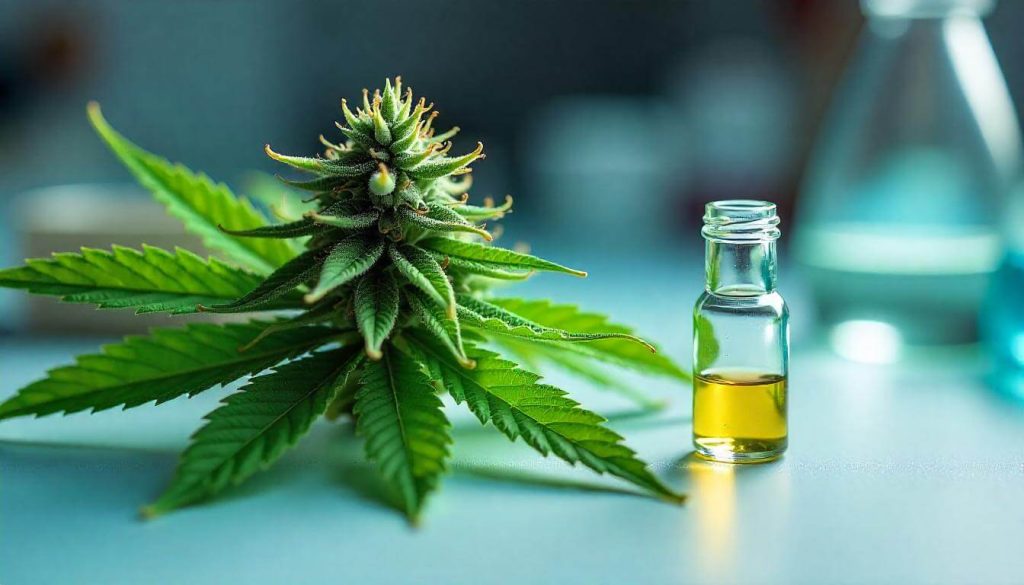
THCV is a phytocannabinoid with distinct effects compared to other cannabinoids such as CBD, THC, CBG or CBN. As we saw earlier, THCV has effects more or less similar to those of THC, both in terms of the sensation of high and the powerful relaxation felt. It is therefore preferable to control its consumption in order to control the potential psychotic effects associated with it. On the other hand, THCV has a very special effect on the sensation of hunger.
THCV joins other cannabinoids in anxiety reduction, neuronal protection, relaxation and pain reduction. Like CBD, it could address a wide range of issues with greater intensity. This is because THCV is stronger than CBD.
Interestingly, like CBN, THCV appears to have sedative effects. Research has shown that this substance could contribute to a significant reduction in chronic pain and an improvement in sleep-related functions. As a result, people who have trouble falling asleep may find THCV a potential solution for better sleep. THCV is available in various forms: flowers, resins, oils and e-liquids.
In conclusion: why use THCV?
THCV is attracting growing interest in the cannabis industry due to its distinct properties and therapeutic potential. Further research is needed to better understand the effects and applications of THCV, but it is considered a promising cannabinoid. It is advisable to find out about current legislation before purchasing products containing THCV, as laws may vary from country to country.
THCV can be consumed in the same way as traditional CBD flower, either by vaporization or as an infusion. Vaporization allows better absorption of THCV's properties, and almost immediate action. Consumption in herbal tea form, on the other hand, produces more gradual, diffuse effects. We strongly advise you to buy quality products, laboratory-tested for THCV purity and concentration. In conclusion, THCV offers interesting potential for the cannabis industry.
Follow us on

Join the Community
Don't miss any news with our newsletter