How to Make CBD Oil from Leaves and Stems?
 Enny Soyinka
Follow us on 
Using CBD oil is a great way to help relieve stress, pain, or inflammation. The oil is extracted from the flower of the cannabis plant and is rich in the compound cannabidiol (CBD), from which it gets its name.
This chemical compound has a lot of anti-inflammatory properties that help soothe body pain. In contrast to marijuana, CBD oil contains negligible amounts of the psychoactive component THC.
As a result, with this oil, users get to enjoy the healing, stress-relieving benefits of cannabis without worrying about getting “high.”
Using Decarboxylated Cannabis for Oil
Decarboxylation is necessary to extract the all-important cannabidiol from hemp. Despite the complex-sounding name, decarboxylation refers to the process of heating the cannabis to the right temperature.
This precision is essential when attempting to make CBD oil. Such care is needed because it is when heat is applied that the plant's beneficial properties are activated.
The potency of the end product depends, to a large degree, on this process. What heating the cannabis does is activate the cannabidiol, and thus, heating it to the precise temperature makes the CBD oil most effective.
After decarboxylation, the cannabis can be mixed into the oil of choice. This process is known as an infusion, whereby the properties of the plant are infused into the oil.
Using a carrier oil is essential because it makes the intake of the CBD substance easier. This decarboxylated CBD oil extract can now be used as any other edible oil- to bake, cook or ingest directly. Depending on the potency, the appropriate dosage can be meted out.
What Supplies Are Required?
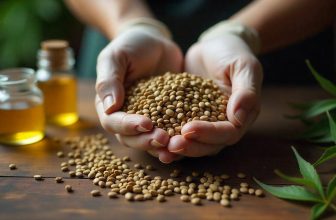
Cannabis and oil are the two main substances required to make CBD oil.
1. Cannabis Leaves and Stems
When choosing the leaves and the stems, it is better to opt for a hemp plant than a marijuana plant.
Both these plants belong to the same family of Cannabaceae. However, the marijuana plant has a higher THC content while the hemp plant contains more CBD. In addition, the latter is federally legalized and easier to find.
2. Carrier Oil
As for the carrier oil, it is crucial to choose one compatible with herbal infusions, meaning that refined oils like corn oil and vegetable oil are out of the picture.
Instead, natural, healthy oils like coconut oil, olive oil, or even melted butter are suitable carrier oil. If planning to ingest, adding some flavors and extracts can help improve the overall taste.
3. Slow Cooker/Oven
Aside from these, a slow cooker or oven is needed to decarboxylate the cannabis leaves and stems. Since this process usually takes around 25 to 45 minutes, the cooker/oven must be able to activate the CBD in the cannabis without destroying its benefits.
Preheating the oven to 250 degrees Fahrenheit before adding cannabis is an intelligent tip to ensure the quality of the CBP oil. However, using a specialized decarboxylator is the way to get the most potent results.
How to Make Homemade CBD Oil?
With the proper ingredients, CBD oil can easily be made at home. The procedure is simple but requires precise handling. It includes
1. Shoot/Leaves Preparation
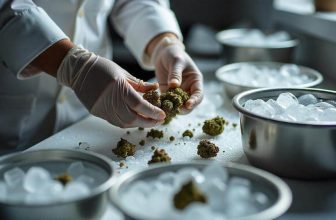
It is crucial to break up the cannabis into smaller pieces before heating it. Such a step ensures the smoothness of the decarboxylation process.
2. Decarboxylation
The cannabis leaves and shoots are prepared and put into the preheated oven/cooker. Here the process of decarboxylation takes place- upon reaching a favorable temperature after a sufficient heating time, the cannabinoids in the cannabis are activated.
3. Oil Fusion
Once the full benefits of the cannabis have been released, it is time to prepare the final mixture. For the final concoction to be most effective, it is best to use natural oils.
In this process, the CBD extract from the cannabis is mixed into the carrier oil to make it easier for consumption. Since the cannabinoids are oil-soluble, they easily mix with the carrier oil. At this point, one can opt to strain out the rough bits or let the oil remain as a herb-infused mixture.
4. Optional
You can also add vanilla or citrus extracts to help improve the taste of the oil.
Important Instructions to Follow
1. Precision Heating
Heating is a crucial part of making CBD oil. When the cannabis leaves are exposed to the right temperature, the raw CBDA loses its carboxy ring (COOH) to form CBD.
Heating it to the right temperature activates the correct compounds and helps reap the most benefits. For the CBD oil to be most effective, heat the cannabis slowly on a low flame.
Any sudden or excess heat can destroy instead of activating the cannabinoids. A temperature of around 240 Degrees Fahrenheit works best.
2. Choosing the Right Carrier Oil
Refined oils like grapeseed and argan are not compatible carrier oils. It is best to use healthy, high-quality oils like avocado and olive because the decarboxylated cannabis needs to be correctly infused into the oil. Coconut oil and MCT oil are particularly well-suited substances as carrier oils.
3. High-Quality Cannabis
The potency of CBD oil depends, to a large degree, on the quality of the cannabis. Some strains have a naturally low CBD content that adversely affects the oil's effectiveness.
Varieties like Remedy, ACDC, and Charlotte’s Web are best suited for CBD oil-making. These strains have over 14% cannabidiol content with little to no THC. Some variants like Cherry Wine even add a flavor of cherry and wine to the experience. As most of these are federally legal, they are readily available.
Caution Regarding CBD and THC potency
When making CBD oil at home, one must pay careful attention to the narcotics law of your state. Marijuana-based CBD extracts are outlawed in most states. Even CBD oil is legal only as long as they contain less than 0.3 % THC.
Moreover, the law on CBD oil usage varies from state to state. Despite the Agriculture Improvement Act of 2018, local law enforcement in Texas and Ohio have been reported to crack down on CBD sellers.
Another concern when making CBD oils is the issue of cross-pollination. Hemp plants are hermaphrodites; therefore, they risk being pollinated by a high THC-content marijuana plant.
As a result, the CBD-containing, non-psychoactive plant may unwittingly become potent marijuana plants. These plants are also not preferable for CBD oil makers because they contain more THC than CBD.
Delta-9 tetrahydrocannabinol is the chief psychoactive component in these plants. Any cannabis containing more than the approved percentage of THC is classified as a Schedule I controlled substance.
Dosage and supervision are also necessary when consuming items with high THC content. Side effects of its prolonged usage include respiratory issues, lung injury, severe nausea, and problems with memory.
Follow us on

Join the Community
Don't miss any news with our newsletter